
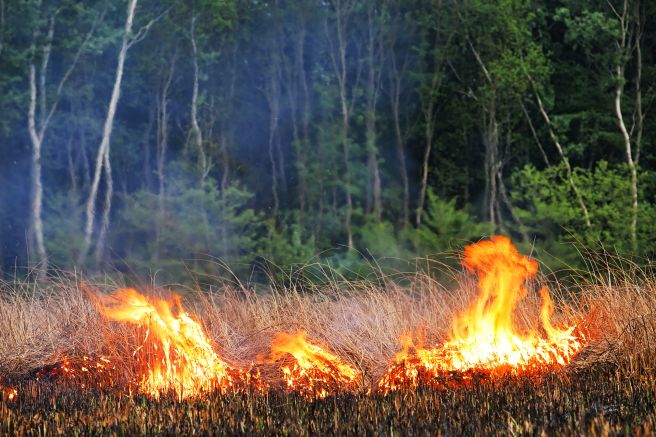
Wildfire Risk Feels Personal
Your home is more than walls, windows, and a roof. It is where your family gathers, where your favorite photos are kept, and where your life feels familiar. When wildfire risk becomes part of the conversation, it can feel overwhelming. You may wonder if your homeowners insurance is enough, whether your property insurance includes wildfire coverage, or what would happen if you had to rebuild after a major loss.
At Metro-West Insurance Services, we understand that wildfire insurance is not just about policy language. It is about helping you protect the people, memories, and financial stability that matter most.
What Wildfire Insurance Can Cover
Wildfire insurance is often included within a homeowners insurance policy, but coverage can vary by carrier, location, deductible, and policy terms. A strong policy may help cover fire damage to your dwelling, detached structures, personal property, smoke damage, debris removal, and additional living expenses if your home becomes unlivable.
The key is knowing what your current home insurance policy actually says before a claim happens.
Coverage Should Match Today’s Costs
One of the biggest wildfire insurance concerns is whether your dwelling coverage reflects the real cost to rebuild. Construction costs, labor shortages, materials, code upgrades, and demand after a large fire event can all increase rebuilding expenses.
That is why replacement cost coverage, extended replacement cost, and ordinance or law coverage should be reviewed carefully.
Important Wildfire Insurance Coverages to Review
A wildfire claim can involve much more than the structure of your home. The right homeowners insurance policy should be reviewed from several angles so you understand how protection may respond after a covered loss.
Dwelling Coverage: Helps repair or rebuild your home if it is damaged or destroyed by a covered wildfire loss.
Other Structures Coverage: May help cover detached garages, fences, sheds, guest houses, and other structures on your property.
Personal Property Coverage: Helps replace belongings such as furniture, clothing, electronics, appliances, and household items damaged by fire or smoke.
Loss of Use Coverage: Also called additional living expense coverage, this may help pay for temporary housing, meals, and other costs if you cannot live in your home during repairs.
Debris Removal: Helps pay for cleanup after a covered wildfire loss, which can be a significant part of the recovery process.
Extended Replacement Cost: Provides added protection if rebuilding costs exceed your dwelling limit after a major disaster.
Wildfire Coverage Questions Every Homeowner Should Ask
Many consumers assume they are fully protected until they review the details. A quick insurance review can help uncover gaps before they become expensive problems. Ask whether your policy covers wildfire damage, smoke damage, debris removal, temporary living expenses, and updated building code requirements.
You should also ask how your deductible applies, whether your home is insured to current replacement cost, and whether your carrier has special wildfire underwriting requirements. In some areas, insurance companies may look closely at defensible space, roof materials, brush clearance, property access, and proximity to fire services.
| Coverage Area | Why It Matters | Question to Ask |
|---|---|---|
| Dwelling Limit | Helps rebuild the home | Is my home insured to current replacement cost? |
| Personal Property | Replaces damaged belongings | Do I have replacement cost or actual cash value coverage? |
| Loss of Use | Pays for temporary living expenses | Would this limit cover several months away from home? |
| Debris Removal | Supports cleanup after a fire | Is debris removal included or limited? |
| Extended Replacement Cost | Helps with rising rebuild costs | Can I add extra protection above my dwelling limit? |
Risk Management Can Make a Difference
Insurance is one part of wildfire protection, but prevention matters too. Creating defensible space, clearing brush, trimming trees, cleaning gutters, using fire-resistant materials, and maintaining safe access routes can help reduce wildfire exposure. These steps may also support your insurability depending on the insurance carrier and location.
Wildfire risk management does not have to feel complicated. Start with small, practical improvements around your home. Then review your insurance policy with an agent who can help connect your property’s risk profile with appropriate coverage options.
Why Work with Metro-West Insurance Services?
Wildfire insurance can be confusing, especially when insurance markets change and coverage options become harder to understand. Metro-West Insurance Services helps consumers review homeowners insurance, property insurance, dwelling coverage, personal property coverage, loss of use coverage, and replacement cost protection in plain language.
Our goal is to help you make confident decisions. We can review your current policy, explain coverage options, compare available insurance solutions, and help you identify potential gaps before a wildfire claim occurs.
Prepare Now, Worry Less Later
No one wants to imagine losing a home to wildfire. But preparation can bring peace of mind. The right wildfire insurance policy can help protect your home, your belongings, your savings, and your ability to recover after a difficult event.
If you have questions about wildfire insurance, homeowners insurance, high-value home insurance, property insurance, replacement cost coverage, smoke damage coverage, or additional living expense coverage, contact Metro-West Insurance Services today at 323-937-9225. We are here to help you protect what matters most and move forward with greater confidence.