
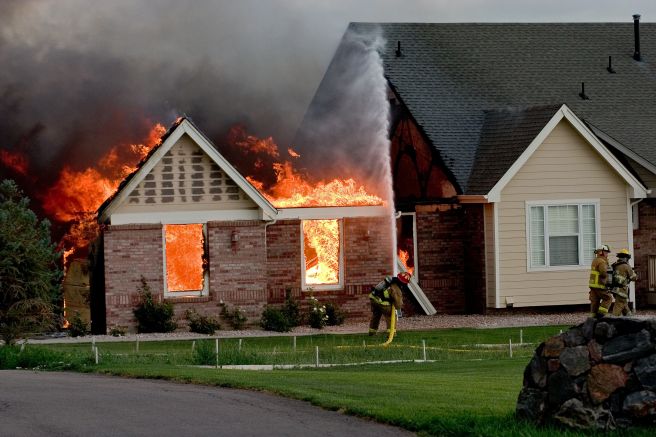
Your home is more than a building. It is where family gathers, memories are made, and many of your most important belongings are kept. A house fire can threaten all of that in a matter of minutes.
While homeowners insurance can provide important financial protection after a covered fire, prevention should always be the first priority. Many household fire risks can be reduced through simple habits, routine maintenance, and a little preparation.
At Metro-West Insurance Services, we believe good insurance goes hand in hand with good risk management. Taking a few minutes to review the fire hazards around your home could help protect your family, your property, and everything you have worked hard to build.
Prevention Starts at Home
Small safety improvements can make a big difference when it comes to reducing household fire risks.
Know the Fire Risks Around Your Home
Fire hazards are often part of everyday life. Cooking appliances, fireplaces, electrical cords, candles, space heaters, grills, dryers, and charging devices are all commonly used without incident. Problems can arise when equipment is damaged, improperly maintained, overloaded, or left unattended.
The good news is that many common household fire hazards can be identified and corrected before they cause a serious problem.
Common Home Fire Risks
| Potential Hazard | Prevention Tip |
|---|---|
| Cooking | Stay nearby when cooking and keep combustible materials away from the stove. |
| Electrical Systems | Replace damaged cords and avoid overloading outlets or extension cords. |
| Space Heaters | Keep heaters away from curtains, furniture, bedding, and other combustible materials. |
| Fireplaces | Maintain chimneys and fireplaces and use an appropriate fireplace screen. |
| Clothes Dryers | Clean lint filters regularly and inspect dryer vents for buildup. |
| Candles | Keep candles away from combustible materials and never leave them unattended. |
Start With the Kitchen
The kitchen is one of the busiest rooms in the home, and it deserves special attention when creating a home fire prevention plan. It only takes a moment of distraction for an unattended pan or overheated cooking oil to become dangerous.
Stay close when using the stove or cooktop, keep towels and packaging away from cooking surfaces, and avoid leaving food cooking unattended. Keeping an appropriate fire extinguisher accessible can also provide another layer of preparedness.
Check Your Alarms
Test smoke alarms regularly and replace batteries or units when needed.
Watch Electrical Risks
Damaged cords, overloaded outlets, and aging electrical systems deserve prompt attention.
Have an Escape Plan
Make sure everyone in your household knows how to safely exit the home during an emergency.
Smoke Alarms Can Provide Critical Warning
Working smoke alarms are an essential part of household fire safety. Make sure alarms are installed in appropriate areas of your home, test them regularly, and replace batteries when necessary.
It is also important for everyone in the household to recognize the sound of the alarm and know exactly what to do when it activates. Children should understand that a smoke alarm means they need to leave the home quickly rather than hide or search for belongings.
Don't Ignore Electrical Warning Signs
Electrical problems can develop gradually. Flickering lights, frequently tripped breakers, warm outlets, burning odors, sparks, or damaged electrical cords should never be ignored.
Avoid placing too many devices on one outlet, and do not rely on extension cords as permanent wiring solutions. If you live in an older home or notice unusual electrical activity, consider having the system inspected by a qualified professional.
Be Careful With Lithium-Ion Batteries and Charging Devices
Modern households may have dozens of rechargeable devices, including phones, laptops, power tools, e-bikes, scooters, toys, and portable battery packs. Damaged batteries, incompatible chargers, or improper charging can create additional fire concerns.
Use charging equipment designed for the device, discontinue use if a battery becomes unusually hot, swollen, or damaged, and avoid charging devices where heat cannot dissipate properly.
Create a Family Fire Escape Plan
Fire prevention is important, but every household should also be prepared in case a fire occurs. Your family should know how to leave the home quickly and where everyone will meet once outside.
Identify at least two possible escape routes from sleeping areas when practical. Make sure doors and windows can be opened easily, and practice the plan with children so everyone understands what to do.
Your Home Fire Prevention Checklist
- Test smoke alarms regularly.
- Keep an appropriate fire extinguisher accessible.
- Clean dryer lint filters and vents.
- Inspect electrical cords for damage.
- Keep combustible materials away from heat sources.
- Maintain fireplaces and chimneys.
- Never leave cooking unattended.
- Use space heaters carefully.
- Supervise candles and open flames.
- Develop a family escape plan.
- Keep exits clear and accessible.
- Review your homeowners insurance annually.
Don't Forget Your Garage
Garages can contain gasoline, paint, cleaning products, lawn equipment, power tools, batteries, and other materials that require careful storage. Keep combustible materials away from heat sources and follow manufacturer recommendations when storing fuels or charging equipment.
If your garage is attached to your home, good fire prevention practices become even more important because a garage fire can potentially spread into living areas.
Would Your Home Insurance Keep Up With Rebuilding Costs?
Fire prevention can reduce risk, but insurance remains an important part of protecting your financial future. One question homeowners should periodically ask is whether their homeowners insurance replacement cost still reflects what it could cost to rebuild their home.
Renovations, additions, upgraded kitchens, finished basements, rising construction costs, and other changes may affect rebuilding expenses. Your home's insurance value should be reviewed periodically rather than simply assuming the amount selected years ago is still appropriate today.
Protect Your Personal Belongings Too
A serious fire can damage much more than the structure itself. Furniture, clothing, electronics, appliances, jewelry, artwork, family keepsakes, and other personal property can also be affected.
Creating a simple home inventory can make it easier to document your belongings after a covered loss. Photos or videos stored securely away from the home can provide a useful record of what you own.
Prevention and Protection Work Together
You cannot eliminate every possible fire risk, but you can take meaningful steps to make your home safer. Regular maintenance, working smoke alarms, careful cooking habits, electrical safety, and a family escape plan can all contribute to better protection.
Your homeowners insurance should provide another important layer of financial security when a covered loss occurs.
At Metro-West Insurance Services, we help homeowners review their insurance, understand their coverage, and identify potential gaps before a loss happens.
Call Metro-West Insurance Services today at 323-937-9225 to schedule a homeowners insurance review and make sure the home and belongings you value are properly protected.
```